
Old Prison in Kielce
Centre for Education, History and Memory
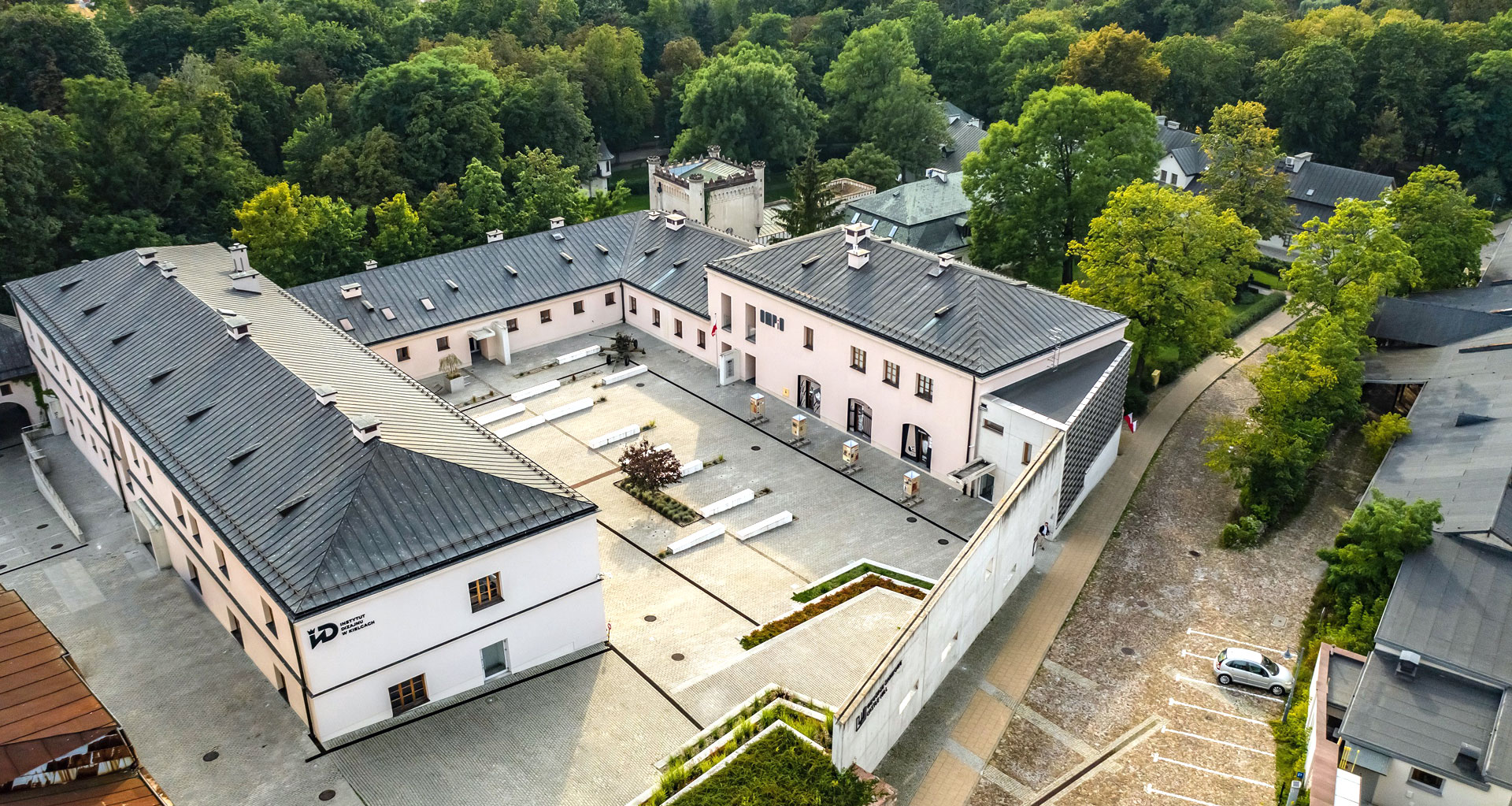
The Centre for Patriotic and Civic Thought (OMPiO) in Kielce forms part of Wzgórze Zamkowe, a municipal cultural institution of the City of Kielce. The Centre promotes historical knowledge, civic education and remembrance of events and individuals connected with the Świętokrzyskie region and the history of Poland.
It is located in the buildings of the former Kielce prison on Zamkowa Street — a site of particular historical significance.
Our Mission
The Centre’s mission is to promote historical awareness, foster civic values and encourage public reflection through educational, exhibition and cultural activities.
By combining remembrance of the past with reflection on the present, OMPiO creates a space for dialogue and meaningful engagement with history.
Historical Exhibition
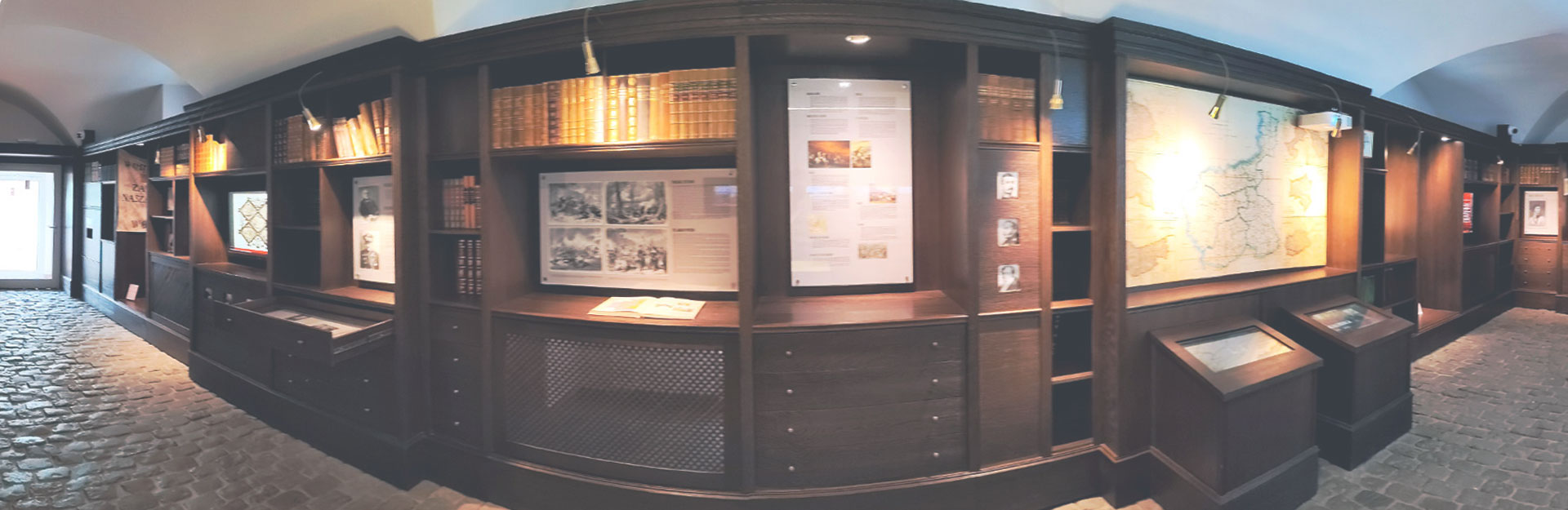
The permanent multimedia exhibition, presented within the former prison, tells the story of the region’s inhabitants in the 19th and 20th centuries — from the struggle for independence, through the German occupation, to the post-war period of repression.
The exhibition combines multimedia installations, archival documents, artefacts and scenography, allowing visitors to better understand the history of this unique site.
A Place of Memory and Education
The Centre is a space where history meets education and reflection. The former prison — a witness to dramatic events of the 20th century — has become both a site of remembrance and an important cultural landmark in Kielce and the wider region.
HISTORY
The Former Kielce Prison — Historical Overview
The building on Zamkowa Street is one of the oldest penitentiary facilities in Poland. Its history dates back to the first half of the 19th century, although the site itself has been connected with the city’s past for much longer — when it formed part of the Kraków Bishops’ residence complex.
Between 1826 and 1828, former administrative and utility buildings were adapted for use as a prison. From the outset, the facility held not only criminal offenders but also political prisoners.
The 19th Century — Under Partition
During the national uprisings, the prison became a place of repression for participants in the struggle for independence. Particularly dramatic was the period of the January Uprising (1863–64), when hundreds of insurgents and conspirators were imprisoned here. Many were deported to Siberia or sentenced to death. Among the prisoners was Father Piotr Ściegienny.
At the beginning of the 20th century, during the revolutionary events of 1905–1907, the prison once again held numerous political detainees.
The Interwar Period
After Poland regained independence in 1918, the prison operated as a second-class penal institution. Alongside criminal inmates, political prisoners were also held here.
During this period, the facility expanded its infrastructure and included workshops, a school, a library, a hospital and a chapel.
The Second World War
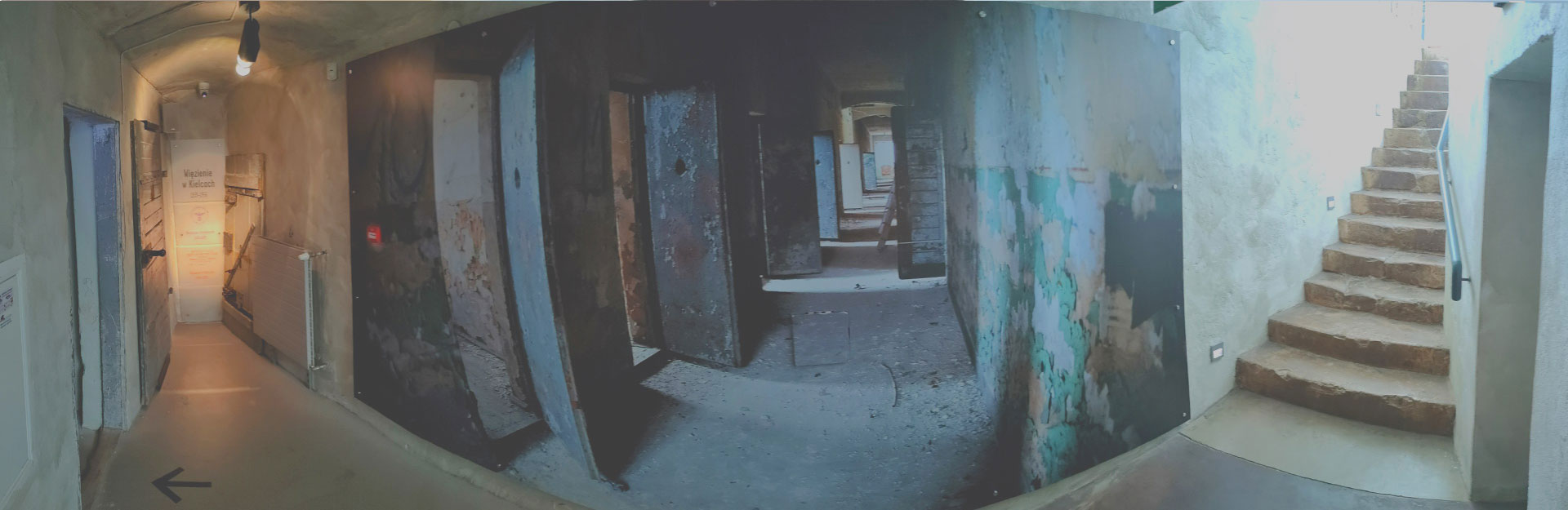
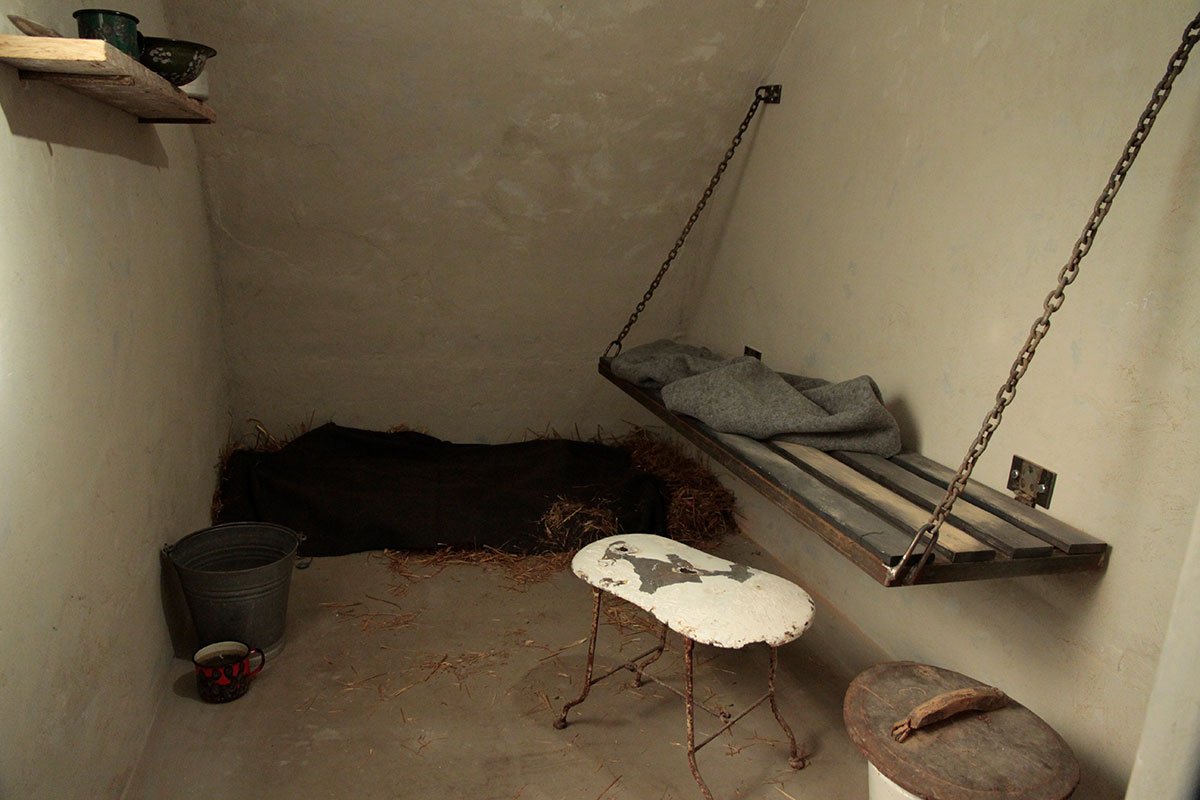
Following the German occupation of Kielce in 1939, the prison became a site of repression against civilians and members of the Polish underground resistance.
Thousands of prisoners passed through its cells. Many were executed or deported to concentration camps, including KL Auschwitz, Sachsenhausen and Gross-Rosen.
The prison remained under Gestapo control until January 1945.
The Post-War Years
After the Red Army entered Kielce, the prison was taken over by the Soviet NKVD and later by the Polish communist security services. Soldiers of the independence underground and individuals considered political opponents were detained here.
On the night of 4–5 August 1945, underground units led by Captain Antoni Heda (“Szary”) carried out a successful operation to liberate the prison, freeing several hundred inmates. It was one of the most significant actions of the post-war anti-communist resistance in the region.
The prison continued to operate at this site until the 1970s.
A Site of Remembrance
In 1995, the National Remembrance Museum was established in part of the former prison complex, dedicated to the victims of the German occupation and communist repression.
Following major redevelopment works between 2009 and 2011, the Centre for Patriotic and Civic Thought was created in its current form.
Today, the former prison serves as a site of memory and historical education. The multimedia exhibition recalls the stories of prisoners and the history of the region during war, occupation and post-war repression.
VISITING
Opening Hours
Tuesday – Friday: 9:00 am – 5:00 pm
Saturday – Sunday: 9:00 am – 5:00 pm
Monday: closed
Last admission for groups: 3:45 pm
Last admission for individual visitors: 4:15 pm
The exhibition is closed on public holidays, including:
New Year’s Day, Epiphany, Easter, Corpus Christi, All Saints’ Day and Christmas Day.
Admission Prices
Standard ticket – PLN 10
Reduced ticket – PLN 5
Family ticket – PLN 15
Workshop ticket – PLN 10
Guide service for individual visitors – PLN 20
Tickets are available at the reception desk.
Guided tours are also available in English.
If you would like to arrange a visit or need further information, please feel free to contact us — we will be happy to assist you.